
26 May 2026
What do you work for?
Work is such a central part of many of our lives. It can play an important role in so many of the different levels of our human needs – which according to Maslow’s Hierarchy, range from the most basic, through to lofty ideals that may never entirely be realised.
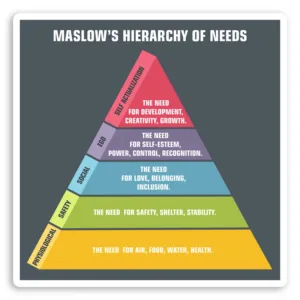
At its most basic, work is something we do to provide ourselves and our families with food, shelter, and necessities. Sadly, for some people it may never rise beyond these essential functions, although even those who don’t enjoy their work at all, often take some solace from the camaraderie and social connections they form in their work.
For others, work is not just a social point of connection, but a way to achieve fulfilment, even to attain power, control and recognition from others. (The loss of these is one of the great challenges of facing retirement – for more on this see our Free Guide to Planning Your Retirement https://hoe-bridge-wealth.kit.com/guide-retirementplanning).
According to Maslow, our highest order needs relate to “self-actualization” – where we derive great meaning from self-development, creativity, and growth. Truly rewarding and satisfying work also involves these things coming to fruition, even if the road is pitted with setbacks and frustrations too. I would also go one step further, and say there is a long history of moral philosophy which associates work with our development of values and character traits. Which is why work doesn’t necessarily have to be highly paid, or financially rewarding, to be hugely valuable in a person’s life.
This was also covered briefly in my recent exploration of the resources or different forms of capital available to a family (https://hoebridgewealth.co.uk/thinking-am-i-overlooking-the-different-resources-my-family-has-and-how-can-we-make-the-most-of-each-of-them/). One of the core aspects of the Human Capital available to a family is that each family member should establish a positive identity and find meaningful work for themselves. Indeed, for a fortunate few, work may no longer be just about themselves, but also about the example that they set for others in their family around self-discipline and endeavour.
Getting the right balance of work in our lives is never simple. Working less can give you more time with loved ones, but not working enough makes it hard to achieve anything worthwhile. And the routine and busy-ness of work are important to giving life a structure: your loved ones don’t want you bugging them all day long. We all love a good holiday, but my legal contacts who specialise in divorce tell me that there is always a spike in queries about divorce after holidays! 😄
Too little work is not good, but what is now referred to as “hustle culture”, where people want to be perceived as always working, never switched off, and available any time and anywhere, is also dysfunctional. The term ‘workaholic’ is not just a casual reference, but describes a form of addiction potentially as damaging as any other. Which is why most of us seek a balance of work and other leisure, family, and social aspects to our lives. It’s never perfect, but neither is life.
Work can be a tricky subject to discuss – and it often overlaps with taboos around discussing money. Businesses are encouraged to declare profits, and one of the first goals of any entrepreneur is to ensure that the business becomes profitable. If you’re an employee, you want to make sure that your outputs are valuable and therefore that you continue to demonstrate your value. But that doesn’t mean most people (in the UK anyway) want to go around openly discussing their financial earnings with others. Underneath these capitalist motives, many people also have less hard-edged reasons why they enjoy their work. These can include:
- the intellectual stimulation of constantly adapting, and learning
- the social connection and interactions that can extend into friendships far beyond the workplace
- the stimulation of competitiveness and the achievement of overcoming challenges that present themselves
- for those lucky enough, there can be a sense of genuine satisfaction in helping others and making things better in some way.
I am very fortunate that my work gives me so many of these different facets. I am lucky that I can enjoy an intersection of human connection and real care for people, with sometimes highly technical and strategic problem-solving, all while managing a business in the background.
For those I help, each stage of their life plays out at the intersection of work and its meaning in their lives:
- Successful people are often juggling their work-life balance, and I can help them by letting them delegate some of their to-do list to me, freeing up their time
- As people rise up the career ladder, they also know that it can’t last forever, and I help them to prepare for a different future where business exit and / or retirement is likely to be on the cards
- Retirement can be a huge transition mentally, not least because of the potential loss of all the roles played by their current work. I recently hosted an entire webinar covering the mental, physical and spiritual aspects of retirement that form part of a holistic retirement plan – do get in touch if you’d like a copy of this webinar
- Finally, even after work is long-finished, I am helping people to ensure that the lifetime fruits of their labours can be passed on effectively, and a legacy preserved and sustained to support their descendants and other loved ones.
Have you delegated effectively to make the most of your work-life balance? Do you have an accountability partner who helps you stop putting personal finance matters off for later, even though you know they’re important?
What roles does work play in your life, and how has this been factored into your plans for the future?
If you would like help with thinking more about any of the above, please get in touch for a free initial chat.
None of the above is financial or investment advice and you should speak to me or someone else professionally qualified to give you advice specifically tailored to your circumstances.


 Get in touch
 Production


