
21 Apr 2026
Spending and satisfaction, why don’t they move in tandem?
In a simple world, more of something should be better, right? Yet very often, spending more doesn’t equate to greater satisfaction or happiness.
Think about the difference in price compared with satisfaction between:
- A good meal in a nice restaurant or a really expensive ‘tasting menu’ in a Michelin starred establishment
- Owning and every day driving a decent car or a luxury sports car
- Flying while seated further and further forward in the aeroplane (you know what I mean!)
- Watching the match or the concert from good seats or watching from a luxury box
Some of you will already be shaking your head, disagreeing with me. And if something is your ultimate passion, whether it’s food, entertainment, travel, cars or bikes, then yes, in that area, an upgrade can make a big difference to your enjoyment.
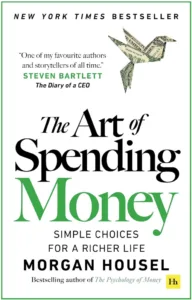
However, in “The Art of Spending Money”, Morgan Housel makes clear that it is all-too-easy to get caught up in spending on things because you think you should. He has a few seemingly obvious, but potentially ignored suggestions for how to get the most of out of your money and its impact on your life:
- Material things make far less lasting impressions on others than we may think, and spending to keep up or be acknowledged is a trap – because chasing status makes you conform to others’ identity instead of being true to your own
- Often the value of something reduces once we have it, and is greater before we get it, or if we lose it – psychologically it’s the delayed gratification that creates the value in our minds, much more than the possession of the thing
- Contentment is much more durable than the buzz of happiness, which can only ever be relatively short-lived – so the best measure of wealth might be what you have minus what you want
- Life is a balance between living for today and saving for tomorrow – perhaps the best purchase now is making good memories to take with you into your future
- The truest form of wealth is creating independence for yourself – being free to ignore or respectfully disagree with others, and to keep your real wealth quiet, while maintaining a sense of gratitude that you are free from the constraints faced by many others
- When it comes to your identity – don’t make money part of it, instead, value the ability to change your mind, to alter your lifestyle or spending, and to try new interests and passions (and discard them if they don’t add to your life)
- And finally, Housel suggests, never conflate money with character – no amount of money can compensate for lack of character, honesty, and empathy – and the ones who love you most desire is your love and attention.
What do all of these lofty ideals have to do with me? Properly done, financial planning should involve meaningful conversations around what’s going to make you happy now and also in the future. In terms of spending and satisfaction, financial services is one of those sectors where it certainly isn’t true that the more you pay, the better your experience will be. Many clients of the largest or most recognised institutions are actually worse off: larger banks generally pay savers much less in interest (although they still make handsome returns from lending out your savings to others), bigger insurance brand names often reward client loyalty with ever-rising premiums.
And I come across many cases where people are paying over the odds for investment management – the placement of their life savings in either own-brand funds at high cost, or an overpriced spaghetti soup of funds with a charge on top for doing this that should make someone blush. With no real effort to get to know and understand the person behind the investments, or to help them with a strategy to achieve their aspirations and goals.
My approach has been to deliberately own and operate a small firm where we don’t spend money on sponsoring professional sports teams or a building with the company’s name on it, let alone national television adverts. People I work with like this down-to-earth approach and my focus on really getting to know them. And make no mistake, I appreciate having the independence to sometimes re-direct people who are a bad fit for working with me because they want status brand-names, or embossed letterhead paper.
In an age where we have too much information available to us, the real value in building a financial plan together isn’t just technical knowledge, or tax-savings and investment compounding (although these are always satisfying), it’s about the peace of mind of being able to talk with someone like me, who can challenge your thinking where necessary; pick up on questions you may not have thought of; and be there help you to navigate the inevitable changes in the world around us as they happen.
Would you like to have a meaningful conversation about your money and its place in your life, including how it will support your future plans?
Get in touch for a free initial chat to see how I may be able to help you.
None of the above is financial or investment advice and you should speak to me or someone else professionally qualified to give you advice specifically tailored to your circumstances.


 Get in touch
 Production


