22 Jun 2026
Client Stories: Might paying 45% income tax be better than the alternatives?
My client Patrick* (not his real name) has spent decades working hard, saving conscientiously, and building up a pension pot that means he can be self-reliant for the rest of his days. He’s now close to 80, and well into his retirement, and suddenly the landscape has changed, and he’s had to rethink his financial plans.
It is now confirmed that from April 2027, less than a year away, pension pots (built up from defined contributions, rather than being a defined benefit or ‘final salary’ pension) will be included in a person’s estate on their death. If this brings the total estate value above the nil rate and residence nil rate* band thresholds (*where applicable) then the pension will likely be subject to 40% inheritance tax (IHT). It is estimated that this change will generate an additional £1.46 billion for the government by 2029/30 (taxadvisermagaine.com – article published 27/10/2025).
Patrick and his wife have a family home and other investments worth in excess of £1m. This means that any pensions included in his estate will be subject to 40% IHT. That feels like a bitter pill to swallow after decades of careful investing, but all we can do now is plan strategically for the future.
To make matters worse, because Patrick is now over 75 years old, any beneficiary who receives his pension will only be able to withdraw from it at their own marginal rate of income tax. Both of Patrick’s children are already successful professionals in their own right, meaning that any withdrawals they might want to make from their father’s pension will be further taxed, at either 40% or 45% marginal income tax rate. Assuming the rate is 45%, that means the after-tax amount received from any pensions left over in Patrick’s estate looks like this for every hundred pounds:
| Pension left in Estate on death | £100 |
| Inheritance tax paid 40% | £40 |
| Remaining pension inherited by beneficiary | £60 |
| Withdrawal of inherited pension @ 45% Income tax | £27 |
| Net Amount Received by Beneficiary | £33 |
So in the above analysis, for every £100 that is still in Patrick’s pension when he dies, his child will only receive £33 of that in their hands. This means that 77% of it goes to tax.
If the beneficiaries simply leave the pension untouched and don’t withdraw from it, then eventually it will be added to their own estates, and quite possibly subject to a further 40% IHT haircut as part of their own estate. From the government’s perspective this will also be very profitable in terms of tax revenue.
So what are some of the options Patrick and I discussed?
- Spending: Being a conscientious saver and investor is a lifelong habit, and often a hard one to break in retirement. But the first thought would be for Patrick to withdraw more funds from his pension and spend them on things that give him pleasure – either for himself, or others, such as taking his family on holiday or creating further opportunities to spend time together.
- Skipping a Generation: Patrick can leave his pension to his grandchildren instead of his children – this at least skips a generation for IHT, and his grandchildren may be able to withdraw from the pension at lower rates of income tax for a few years. If they withdraw at 20% income tax this at least reduces the total tax leakage somewhat.
- Gifting – Lump Sum: If he doesn’t need the money to support himself, and he hasn’t already done so, Patrick can withdraw his pension Tax-Free Cash (formally known as his Lump Sum Allowance) and look at gifting this onward.
Working out how much he can afford to give away is a key financial planning question – and to get this right we use a cashflow model to establish how much he needs to retain to support himself for the rest of his life. - Gifting – Regular Income: In Patrick’s case, the bulk of his income requirements are already met without using this pension pot, which means that the remaining pension pot is likely to continue to grow over time, assuming it is (sensibly invested for the long-term).
So Patrick may actually want to consider increasing his income withdrawals from the pension beyond what he needs for himself. Even if he pays 40%, or even 45% income tax on the withdrawals, this might be a better outcome than his estate paying 40% IHT and then the beneficiaries paying even more income tax. Patrick can then gift the net excess income to his children or grandchildren, or into other indirect vehicles such as trusts of various types, in order to pass on funds to his descendants immediately. - Growing the Pie: An alternative approach for Patrick, if there is no obvious way to gift onward the income that is withdrawn, perhaps because the rest of his family aren’t ready for him to do so, might be for Patrick instead to look at growing his pension pot as much as possible. Patrick could look to adopt a more aggressive investment strategy with his pension (based on the fact that he already has secure income to meet his needs and investment growth inside a pension is not taxed) so that even if it is later taxed at 40%, the total amount has grown substantially. Whether or not the pension does actually grow in the manner intended will however be largely out of our control – markets go down as well as up, and are driven by global and political events that none of us individually are likely to have much influence over.
Planning of this sort should not be driven purely by tax. Instead we look carefully at Patrick’s own needs, his family situation, his age and health – particularly because any lump sum gifts made directly to others will only be fully outside of his estate if he survives for 7 years.
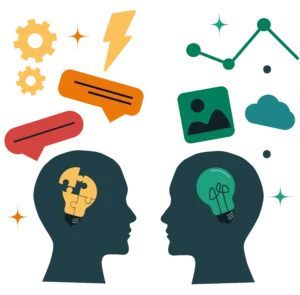
In Patrick’s case, and this happens quite often with my clients, the most complicated part was putting him in the right position to have sensible conversations with his children about their own financial planning. There’s no point trying to put money into Junior ISA’s or pensions for grandchildren if their parents have already done this. It may also not be that helpful to give money to children, if they are only going to have to do the same estate planning themselves. Finding the right solution often requires careful thought and open conversations across generations.
In fact, sometimes I find myself being introduced to parents by their children – because they want to ensure that their mum or dad gets the right professional help and doesn’t end up making completely avoidable mistakes that could have been solved by some timely planning. Again, the aim is to help a loved one make the best decisions they can based on the taxes, regulations and the investment environment in place at the time.
Have you thought carefully about how your financial planning or the planning of someone in your family, might need to change to make best use of pensions?
Get in touch if you would like to have a chat or would like to set up a no-obligation conversation with me for someone you care about.
NOTE: The value of your investment can go down as well as up. Past performance is not a reliable indicator of future results. None of the above is financial or investment advice and you should speak to me or someone else professionally qualified to give you advice specifically tailored to your circumstances.


 Get in touch
 Production


